
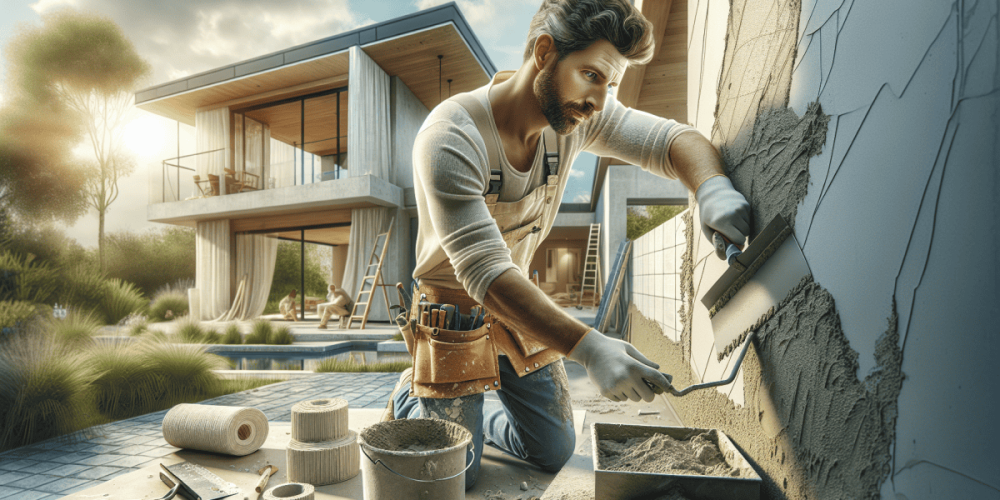
Understanding Stucco and Plastering: The Basics Every Builder Should Know
Stucco and plastering are essential techniques in the construction and finishing of homes, providing both aesthetic appeal and functional benefits. At its core, stucco is a mixture of cement, sand, and water, often enhanced with additives for improved durability and flexibility. This material is applied to exterior walls, creating a hard, weather-resistant surface that can be textured or painted to suit various design preferences. Plaster, on the other hand, is typically used for interior walls and ceilings, offering a smooth finish that can be painted or decorated. Understanding the fundamental differences between these two materials is crucial for any new home builder.
Both stucco and plastering have a rich history, dating back to ancient civilizations, where they were used not only for structural integrity but also for artistic expression. Today, these materials remain popular due to their versatility, ease of application, and ability to enhance energy efficiency. As a builder, familiarizing yourself with the properties and applications of stucco and plastering will set the foundation for successful projects. You might wonder, what are the specific benefits of using these materials? How do they contribute to the overall quality of a home? This article will delve deeper into these questions, equipping you with the knowledge needed to master these essential techniques.
Choosing the Right Materials: A Guide to Stucco and Plastering Supplies
When embarking on a stucco or plastering project, selecting the right materials is paramount. For stucco, you’ll need a base coat, which typically consists of a sand-cement mixture, and a finish coat that can vary in texture and color. It’s essential to choose high-quality materials that are compatible with your local climate. For instance, in areas with high moisture, consider using a waterproofing additive to prevent issues like mold and mildew.
Plastering requires a different set of materials, including gypsum plaster or lime-based plaster, depending on the desired finish and application method. Gypsum plaster is known for its quick setting time and smooth finish, making it a popular choice for interior walls. Lime plaster, while slower to set, offers excellent breathability and flexibility, which can be beneficial in older homes or in areas with significant temperature fluctuations.
Additionally, don’t overlook the importance of tools. A good trowel, hawk, and float are essential for achieving a professional finish. Investing in high-quality tools can make a significant difference in your application process. You may ask, how do I know which tools are right for my project? Researching and consulting with experienced professionals can provide valuable insights into the best options for your specific needs.
Essential Techniques for Application: Tips for a Flawless Finish
Achieving a flawless finish in stucco and plastering requires skill and attention to detail. One of the most critical techniques is proper surface preparation. Ensure that the surface is clean, dry, and free of any debris before applying your material. For stucco, it’s advisable to dampen the surface slightly to enhance adhesion. For plastering, applying a bonding agent can help the plaster adhere better to the substrate.
When applying stucco, start with the base coat, using a trowel to spread the mixture evenly. Aim for a thickness of about 3/8 inch, and allow it to cure for at least 24 hours before applying the finish coat. The finish coat can be applied using various techniques, such as a spray or a hand-troweled method, depending on the desired texture. Experimenting with different techniques can help you find the best approach for your style.
For plastering, the application process is similar but requires a bit more finesse. Apply the plaster in thin layers, using a trowel to achieve a smooth finish. It’s essential to work quickly, as plaster can set rapidly. Consider using a float to smooth out any imperfections and create a polished look. You might wonder, how can I ensure that my plaster doesn’t crack or peel? Proper curing and maintaining a consistent environment during the drying process are key factors in achieving long-lasting results.
Common Mistakes to Avoid: Ensuring Quality and Longevity in Your Work
Even seasoned builders can make mistakes when it comes to stucco and plastering. One common error is neglecting the importance of weather conditions during application. Applying stucco or plaster in extreme temperatures, whether too hot or too cold, can compromise the integrity of the finish. Ideally, work should be done in moderate temperatures and avoid direct sunlight to prevent rapid drying.
Another mistake is skimping on surface preparation. Failing to clean and dampen the surface can lead to poor adhesion and premature failure of the material. Additionally, not allowing adequate curing time between coats can result in cracking and other issues. It’s crucial to follow the manufacturer’s guidelines for drying times and application techniques.
Lastly, many builders underestimate the importance of quality control. Regularly inspecting your work as you progress can help catch issues early on, saving you time and resources in the long run. You may ask, how can I develop a keen eye for quality? Practice and experience are invaluable, but seeking feedback from more experienced colleagues can also enhance your skills.
The Benefits of Stucco and Plastering: Why It’s a Smart Choice for New Homes
Choosing stucco and plastering for new homes offers numerous benefits that extend beyond aesthetics. One of the most significant advantages is durability. Stucco is highly resistant to weather elements, pests, and fire, making it an excellent choice for long-lasting exterior finishes. Similarly, plaster provides a robust interior surface that can withstand wear and tear over time.
Energy efficiency is another compelling reason to consider these materials. Stucco acts as an insulating barrier, helping to regulate indoor temperatures and potentially lowering energy costs. This is particularly beneficial in regions with extreme weather conditions. Additionally, both stucco and plaster can be customized in terms of color and texture, allowing homeowners to achieve their desired look without compromising on performance.
Finally, the low maintenance requirements of stucco and plastering make them appealing choices for new builds. Unlike traditional siding materials, which may require frequent painting or repairs, stucco and plaster can last for decades with minimal upkeep. This not only saves homeowners time and money but also enhances the overall value of the property. As a builder, understanding these benefits can help you make informed recommendations to your clients, ultimately leading to satisfied homeowners and successful projects.