
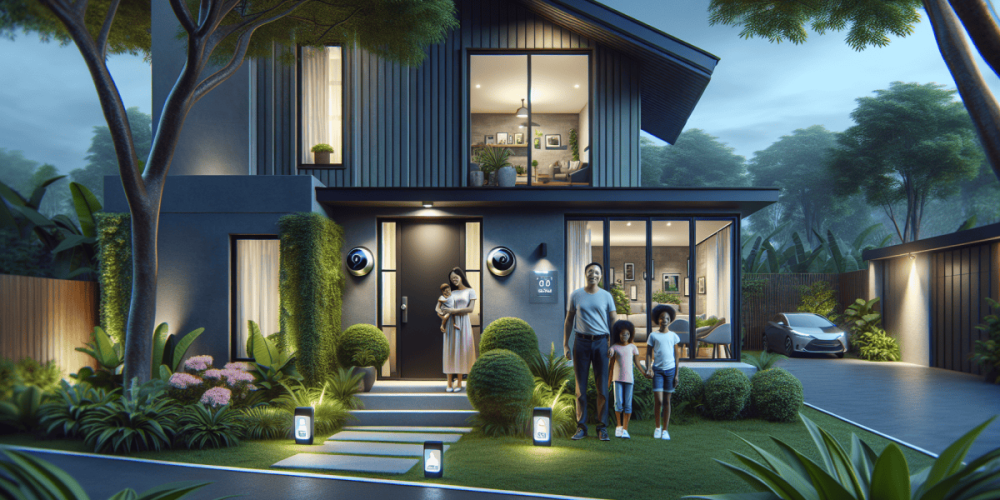
Moving into a new home marks an exciting chapter in life, but it also brings the crucial responsibility of ensuring your family’s safety and protecting your investment. Selecting the right security system can seem overwhelming with the multitude of options available today. This comprehensive guide will walk you through some considerations and steps to choose a security system for your new home. The goal is to give you peace of mind about the safety of your family and new house.
Understanding the Importance of Home Security: Why It Matters
Home security extends far beyond preventing break-ins. Modern security systems serve as comprehensive protection hubs, safeguarding against various threats including fire, carbon monoxide, and water damage. Statistics show that homes without security systems are 300% more likely to be targeted by burglars. Moreover, a robust security system can reduce insurance premiums by up to 20% and increase the value of your property.
The psychological benefits of having a reliable security system are equally significant. Knowing your home is protected provides invaluable peace of mind, particularly when you’re away or asleep. This sense of security contributes to better sleep quality and reduced stress levels for homeowners and their families.
Key Features to Look for in a Security System
Modern security systems offer an array of features that go beyond basic intrusion detection. Essential components include door and window sensors, motion detectors, and security cameras with night vision capabilities. Smart home integration has become increasingly important, giving homeowners alerts and allowing users to control and monitor their security systems remotely through mobile applications.
Advanced features worth considering include two-way audio communication, environmental monitoring for smoke and carbon monoxide, flood sensors, and automated emergency response protocols. The ability to create custom alerts and monitoring zones can provide targeted protection for specific areas of concern within your home.
Evaluating Your Home’s Unique Security Needs
Every home presents distinct security challenges based on its layout, location, and occupants’ lifestyle. Begin by conducting a thorough assessment of your property’s vulnerable points, including ground-floor windows, secluded entrances, and areas with limited visibility. Consider factors such as neighborhood crime rates, proximity to emergency services, and local weather patterns that might affect system performance.
Take into account your daily routines and specific concerns. Do you travel frequently? Do you have children who return home alone after school? Are there elderly family members who might need emergency assistance? These factors will influence the type of features and monitoring services you require.
Comparing Security System Options: DIY vs. Professional Installation
DIY security systems have gained popularity due to their cost-effectiveness and flexibility. These systems typically offer wireless installation, making them ideal for renters or homeowners who prefer avoiding permanent modifications. They often come with user-friendly setup instructions and mobile apps for system management, though troubleshooting technical issues requires some technical aptitude.
Professional installation systems, while generally more expensive, provide the advantage of expert setup and ongoing support. These systems often include advanced features and more robust equipment, with technicians ensuring optimal placement and functionality. Professional installers can also identify security vulnerabilities you might overlook and recommend appropriate solutions.
Making the Final Decision: Tips for Choosing the Right Security System for Your Home
When making your final decision, consider long-term costs including monthly monitoring fees, equipment maintenance, and potential upgrade requirements. Read customer reviews focusing on reliability, customer service quality, and response times during emergencies. Verify that the system you choose complies with local regulations and your homeowner’s insurance requirements.
Request detailed quotes from multiple providers and carefully review contract terms, including cancellation policies and equipment warranties. Consider starting with a basic system that allows for future expansion as your needs evolve. Remember that the best security system is one that you’ll actually use consistently, so prioritize user-friendly interfaces and features that align with your technological comfort level.
It’s better to get a security system that you can afford than to put it off for years because you can’t afford the system you want. A statistic that every homeowner should keep in mind –
Only 13 percent of burglars would continue an attempted burglary if they discovered an alarm during the attempt. More than half of the burglars always stopped the attempt if they detected an alarm, while 31 percent sometimes retreated.
SafeHome.org Home Security Statistics 2024