
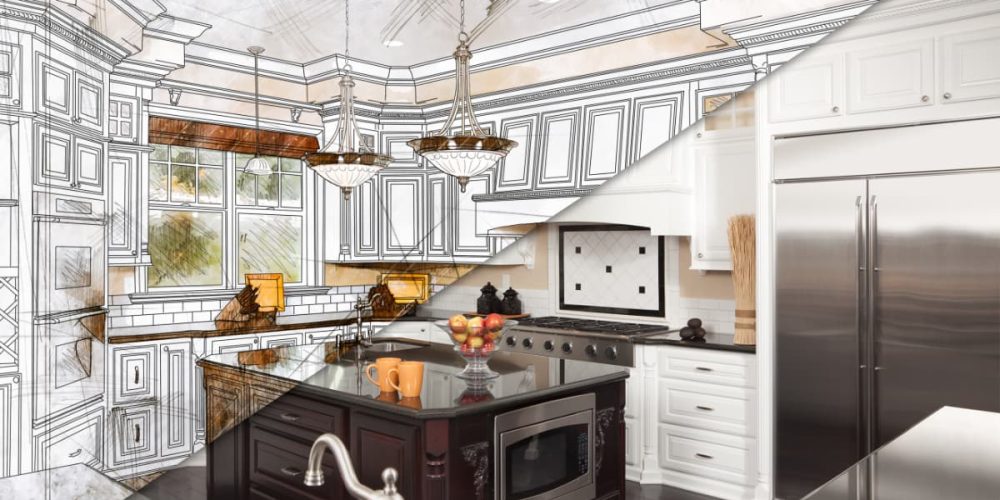
The process of upgrading or adding to one’s house is referred to as home improvement, home renovation, or remodeling. Home renovation projects may include upgrades to an existing home’s interior, exterior, or other aspects of the property. But make no mistake, as mistakes will happen.
Below we highlight nine of the most common remodeling mistakes and advise you on how to avoid making them when your project breaks ground.
#1 Not Getting Inspections
Don’t lose out on the chance to have your house inspected in every way possible—preferably before you purchase it or begin major remodeling. Focus on electrical, HVAC, structural, roofing, termite, and plumbing as a rule-of-thumb.
Granted, inspections do cost money and they add to the overall cost of purchasing a property, but at least you can make an educated decision about what you can afford or whether you even want to take on the remodeling project.
#2 Ignoring the Bigger Problem
Don’t allow your dream of owning the perfect, modern kitchen to take precedence over a more serious problem, like a leaking roof, a crooked support beam, or a murky water spot in your basement.
If a contractor, inspector, or utility worker is taken aback by the age or condition of your utilities, create a plan to replace them as soon as possible. A remodel has two parts – the things you want to accomplish and the things you have to do. Make sure you understand the difference and prioritize spending your hard-earned money on must-do things.
#3 Hiring the Wrong Contractor
Obtain at least three or more estimates for the work you need performed. Request references and verify that your prospective contractor has done excellent work on houses with comparable styles and ages to yours.
Keep in mind that these contractor companies are doing significant work on your home and their expertise and workmanship will have an effect on the long-term worth of your property value.
#4 Not Taking Long-Term Needs into Consideration
Consider children, pets, and potential homebuyers down the road. Before you begin tearing down walls, adding a backyard pool, or converting that extra bedroom into a walk-in closet, ask yourself if the upgrades you’re making are actually improvements.
#5 Not Seeing the Big Picture
Take a realistic inventory of your home remodeling requirements and the costs involved with each job before you begin. Make a list, and adhere to it. Think short-term, within the next year or so, two to five years out, and long-term – five-plus years or longer, before signing the dotted line.
#6 Doing Demo Work Without Considering
Before you start knocking down walls, consider that structural elements might need to be changed, pipelines might have to be relocated, and electrical utilities more than likely will need to be relocated.
Make sure your project is a must-do and then think about whether you’re ready to cope with any potentially costly problems that arise after you get started. This is especially true in older houses.
#7 DIY’n When Pros Should be Hired
There’s nothing worse than shoddy work. You know the type we’re referring to – the projects taken on by the weekend warrior who normally spends the work week sitting behind a desk.
Sure, hiring a licensed contractor costs a lot more money. But if the DIY work performed isn’t up to code or simply looks like crap, you’ll end up spending more in the long-run. Search for a professional contractor for your project.
#8 Ignoring Neighborhood Restrictions
More often than not, when you purchase a house, you usually agree to follow stringent neighborhood association or historical commission rules, especially when it comes to external home components. Before you excavate, knock down, gussy up, or build on, go through the proper permission procedure through both your HOA and local ordinances. You may be requested to return your project to its previous state if you do not get prior permission.
#9 Underestimating the Power of Paint
You’ve undoubtedly heard it before, but adding a couple coats of good paint on walls and trim is a cost-effective method to give dark, musty, and worn rooms a fresh lease of life. Plus, if you have the time and expertise to do it yourself, you may save money on your renovation project instead of paying a professional painting crew.