
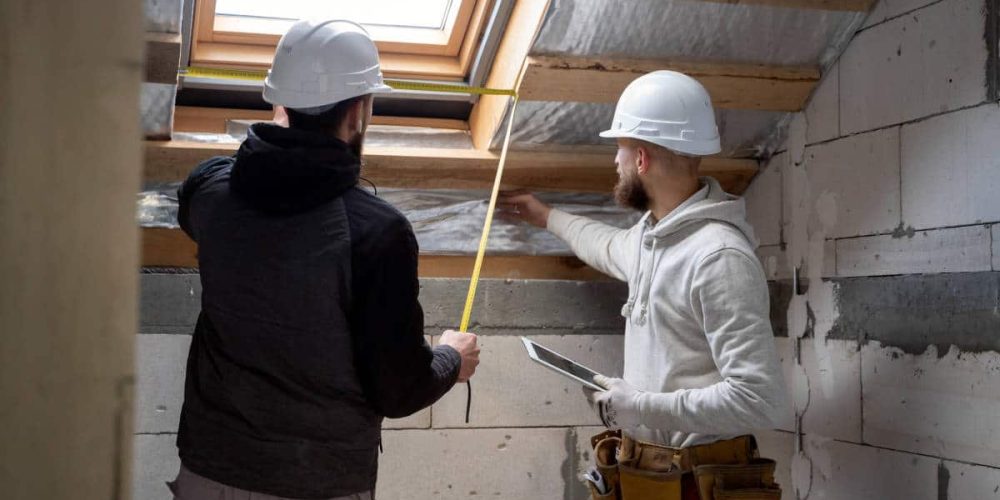
Are you ready to embark on an enlightening journey that will transform your understanding of home insulation? If you think it’s all about thermal padding in attics, prepare to have your preconceptions shattered. This comprehensive guide will delve into how proper home insulation is not just a path to optimal temperature control; it’s also a key to unlocking significant cost savings and contributing to environmental sustainability. So, let’s step into the world of home insulation and discover how this unsung hero can revolutionize your home living experience!
Understanding The Importance of Proper Home Insulation
Let’s dive into a topic often glossed over: proper home insulation. It might not be the most glamorous aspect of your house, but it’s one mighty hidden hero.
The Perks of Effective Insulation
Why should you even care about insulation? Adequate insulation equals more energy efficiency and comfort for you and your loved ones. Consider how clothing keeps us comfortable in extreme weather conditions; our homes need decent insulation to maintain an optimal temperature year-round.
Furthermore, optimal energy efficiency equals fewer greenhouse gas emissions–a win-win situation! Plus, who doesn’t love saving money? Efficiently insulated homes can save up to 15% on heating and cooling costs, according to Energy Star.
All About Insulation Materials: In-Depth Analysis
Now that we’ve established ‘why,’ let’s move on to the ‘what.’ We can use several insulating materials in our homes, including fiberglass, spray foam, cellulose, and mineral wool – each with pros and cons.
Fiberglass is highly popular due to its cost-effectiveness but is only sometimes ideal for tighter spaces. Spray foam brings flexibility by quickly filling nooks & crannies yet comes with a slightly higher price tag than other options.
Cellulose insulation offers outstanding thermal performance, along with the added benefit of being environmentally friendly. Nevertheless, its installation may call a local HVAC Contractor for professional assistance due to potential health risks associated with the application process.
Then there’s mineral wool, which grants superior soundproofing abilities albeit less effective thermally compared to others mentioned here.
Selecting the right material among these options isn’t a “one-size-fits-all” endeavor. Therefore, gaining a clear understanding of your specific requirements is essential to making informed decisions.
Tackling Common Insulation Problems
Like anything else, home insulation has its fair share of potential challenges. One such issue includes the degradation or compaction over time, leading to less efficient thermal performance. An easy resolution here is topping up existing insulation.
Moisture is another prevalent threat that can lead to substantial structural damage and undermine the insulating properties of your home. It’s crucial to ensure that your house is effectively sealed against moisture infiltration.
In conclusion, it’s evident that grasping the significance of effective home insulation, selecting appropriate insulation types, and addressing potential issues can considerably enhance both energy efficiency and comfort for you and your household. This, in turn, helps maintain better control over your utility bills.
Optimizing Energy Efficiency with Adequate Insulation
There’s nothing quite like the feeling of a warm, cozy home on a cold winter’s evening. The key to that comfort? Adequate insulation! Getting your home properly insulated is not just about staving off the chill, though—it can also boost energy efficiency and lead to substantial cost savings over time.
Why Insulation Matters
First, let’s talk about why insulation is so critical. In simple terms, it acts as a barrier to heat flow—fairly essential in both summer and winter. With efficient insulation, you’ll use less energy for heating or cooling, which means lower utility bills. Furthermore, well-insulated homes experience fewer climate-related fluctuations, making them more comfortable year-round.
Choosing Your Insulation: A Closer Look at Options
Insulation isn’t one-size-fits-all; different materials have unique pros and cons. Classic options include fiberglass (easy installation but potentially irritating), mineral wool (fire resistant but can retain moisture), and cellulose (eco-friendly but might settle over time), among others.
Then we have spray foam, a flexible type of insulation that expands upon application, filling up cracks or gaps effortlessly, but it may cost slightly more than traditional methods.
Your choice should depend on factors like your climate, potential sensitivity concerns among residents, and budget limitations. Take the time to carefully assess your options before making a decision!
Tips for Optimal Home Insulation
Important areas in your home where effective insulation can have a significant impact include living spaces beneath unheated attics, the attic itself, and exterior walls, particularly those around outlets or switches.
Don’t overlook areas such as floors above garages—which often lose heat fast—in addition to basements if they’re used frequently during winters.
Common issues associated with subpar or insufficient insulation can manifest as uncomfortably high or low indoor temperatures during extreme weather conditions, skyrocketing energy bills, or noticeable problems such as wall dampness. The encouraging news is that many of these concerns can be effectively addressed with a straightforward insulation upgrade, highlighting the fact that staying warm and saving money often go hand in hand.
Remember, an adequately insulated home is not just about comfort; it’s also an investment for your wallet. It could even be your contribution towards creating a more sustainable future with less overall energy consumption. So here’s to smart choices for you and the planet alike!
Home Comfort and Cost Savings Through Insulation
When it comes to home improvement, it’s essential to prioritize proper insulation. It serves a purpose beyond being a barrier against the elements. From improving energy efficiency and indoor comfort to long-term cost savings, adequate insulation offers a range of benefits. To unlock these advantages, it’s crucial to grasp the various insulation types and where they are most effective. Let’s jump into this cozy subject.

The Importance of Adequate Insulation in Energy Efficiency & Comfort
Insulation isn’t just about maintaining a comfortable temperature in your home throughout the year; it also plays a crucial role in enhancing overall energy efficiency. By establishing an effective thermal barrier between the interior and exterior, you can minimize heat loss or gain. This, in turn, reduces the need for heating or cooling systems, ultimately leading to increased energy savings.
Beyond cost-saving implications, though, lies another often-overlooked aspect: comfort. An adequately insulated home offers consistent internal temperatures regardless of external weather conditions, ensuring that every corner is cozy no matter what. Say goodbye to cold drafts sneaking through cracks and gaps—and hello to year-round comfort.
Different Types of Insulation Materials: Pros & Cons
Taking a cue from the resourcefulness of creatures in the natural world who adapt their nests to different climates by utilizing materials like feathers and leaves, we also have a range of insulation materials at our disposal.
Reflective foil, also known as sarking, is particularly effective at blocking radiant heat, making it an excellent choice for hot summers. However, it can come with a higher initial cost when compared to alternative options.
Fiberglass batts offer an affordable insulation option with outstanding temperature resistance properties. However, it’s important to handle them with care during cutting and installation due to potential health concerns.
Cellulose fiber, crafted from recycled newsprint, provides strong thermal performance and boasts a lower environmental footprint. However, it’s susceptible to moisture damage, which is why it’s typically used in combination with waterproof barriers during installation.
Where to Insulate: Making The Right Choice
When considering the optimal places to insulate your home, keep in mind that heat naturally moves from warmer areas to cooler ones. In the midst of snowy winters, it tends to escape through the roof/attic and walls. Therefore, it’s crucial to ensure that these areas are well-insulated.
During scorching summer days, even if you have a wonderful home, an uninsulated floor can trap heat inside, leading to discomfort. Additionally, insulating the walls is equally essential to keep hot air out and maintain a cooler interior during the summer months.
Tackling Common Insulation-Related Problems & Solutions
If you notice varying temperatures in different rooms or even within the same room, it’s worth investigating potential insulation problems. Drafts around windows and doors often indicate inadequate sealing, while consistently high energy bills throughout the year might suggest insufficient insulation in the roof and walls. Fortunately, addressing these issues with thicker insulation layers can help resolve the problem.
Mold growth is another common issue in poorly insulated homes caused by humidity, resulting in condensation on cold surfaces. Answer this well-placed vapor barrier with efficient ventilation alongside good insulation.
Exploring Various Types of Insulation Materials: An In-Depth Look
Often overlooked in home construction and renovation, insulation is vital in energy efficiency, comfort levels, and long-term monetary savings. It’s like the secret superhero of building materials! In its many forms – from blankets to loose-fill or sprayed foam – insulation is crucial for maintaining a stable indoor climate while keeping your utility bills at bay. Let’s explore various types of insulation materials available on the market today.
The Power Players: Types of Insulation Materials
Various insulation types come with their own distinct strengths and weaknesses, rendering them suitable for different applications within your home.
Fiberglass, known as blanket insulation in batts or rolls, is expected due to its cost-efficiency and ease-of-installation features. However, it can irritate skin during installation, requiring special safety wear.
Mineral Wool, also known as rock wool or slag wool, offers excellent fire resistance and soundproofing benefits but may be slightly more expensive than other options.
Spray Foam Insulation fills all nooks perfectly, ensuring maximum seal against heat loss, though it is pricier than other traditional insulating materials.
Lastly, we have a Rigid Foam Board, great for reducing heat conduction through structural elements like wooden studs, yet could pose problems where complex cutting or fitting around obstacles are involved.
Each type has pros & cons, so understanding your project’s specific needs & limitations will ensure you select wisely.
Aiming Right: Key Areas to Prioritize for Insulation
The whole house would ideally be well-insulated, but if budget constraints creep in, start by focusing on attic spaces, walls near doors/windows, and floors above unheated basements/crawlspaces. These areas usually account for most home energy losses. In some scenarios, even ductwork should get insulated, especially if present in unconditioned spaces.
Common Insulation-Related Problems and Solutions
Despite its benefits, insulation installation has potential pitfalls. A common issue is uneven or insufficient coverage, resulting in ‘cold spots’ within your home. This problem can often be corrected by adding more insulation material to the areas lacking.
Moisture intrusion may also occur, causing damp insulating materials, reducing their effectiveness & potentially fostering mold growth. Opting for water-resistant materials or ensuring proper sealing of all cracks/crevices that can let moisture in are solutions here.
Remember, an adequately insulated home doesn’t just translate into lower energy bills but provides a cozier living environment protecting you from nature’s unpredictability. Now, isn’t it worth investing some thought into?
Resolving Common Insulation Problems for Maximum Benefit
The necessity for adequate insulation in our homes must be balanced. It is central to energy efficiency, comfort, and cost savings. Insulation can help you drastically reduce utility bills when correctly installed and maintained, ensuring a cozy environment regardless of the season.

Insulation Material: Varieties and Their Pros & Cons
Several insulation materials are available today – some more effective than others, depending on where they’re used inside your home.
Fiberglass batts, for instance, are inexpensive and easy to install in attic spaces. Still, their performance can only improve over time if adequately protected from moisture or compressed under heavy objects, which disrupts their insulative properties.
Cellulose has the advantage of being environmentally friendly since it’s made out of recycled paper fiber. Still, it requires professional installation to ensure optimal R-value (a measure of thermal resistance).
Spray foam expands to fit into nooks and crannies, providing an air-tight seal. Although highly effective, its application needs careful handling due to its chemical composition. Furthermore, it comes at a steeper price point compared with other materials.
The Art of Insulating: Where to Best Apply
Your decision should be guided by where you intend to install these products, as each one has specific areas within the house where it excels.
Attics frequently experience rapid heat loss as warm air rises, making denser options like fiberglass a recommended choice for insulation. Injected foam is highly effective for insulating walls and combating drafts. However, basements can be challenging due to the presence of ductwork, electrical wiring, and other elements. In these cases, cellulose material can be a good fit, particularly for its mold-resistant properties, as long as the appropriate conditions are met.
Tackling Common Insulation Issues
To gain a better understanding of how to maximize the benefits of home insulation, it’s essential to address common issues associated with it. Gaps or cracks in walls and roof ceilings can permit cold air infiltration during winter and allow cool air to escape in the summer, leading to significant energy losses. The solution lies in effectively caulking and sealing your home to combat this problem.
Inconsistent or insufficient insulation coverage is a frequent problem, resulting in some parts of the house requiring more insulation than others. This can lead to uneven temperatures throughout the property. To address this issue effectively, it’s crucial to ensure a consistent layer of insulation across all spaces.
Finally, old or worn-out insulation sometimes becomes less efficient over time and may need replacement. Regular checks and maintenance keep you ahead of such issues, ensuring optimal efficiency for extended periods.
With these insights in mind, continue on your journey towards realizing maximum benefits from adequate home insulation!