
According to huffpost.com, the Top 10 Damaged Items When Moving are drinking glasses, plates, artwork, lamp shades, liquid cleaning supplies, wine & liquor bottles, mirrors, glass pictures, stereo & audio equipment, and (surprisingly!) books.
Moving to a new home is an exciting but challenging experience, especially when it comes to safeguarding delicate and valuable items. Fragile belongings, such as glassware, ceramics, artwork, and electronics, require special attention during packing and transportation to prevent damage. In this article, we will guide you through essential tips and techniques on how to safely pack and protect fragile items during a move, ensuring they arrive at your new destination intact and undamaged.
Gather High-Quality Packing Materials
Before you start packing fragile items, ensure you have the right materials to provide adequate protection. Stock up on sturdy cardboard boxes, packing paper, bubble wrap, packing peanuts, and adhesive tape. Invest in dish boxes or specialized boxes designed for fragile items, as they provide added support and cushioning.
Organize and Sort Fragile Items
Begin by sorting and categorizing your fragile items based on size, shape, and fragility. Group similar items together to streamline the packing process and facilitate unpacking at your new home. This organization will also help you determine the appropriate box sizes and packing materials needed for each category.
Use Proper Packing Techniques
When packing fragile items, follow these packing techniques to ensure optimal protection:
a. Wrap Individual Items:
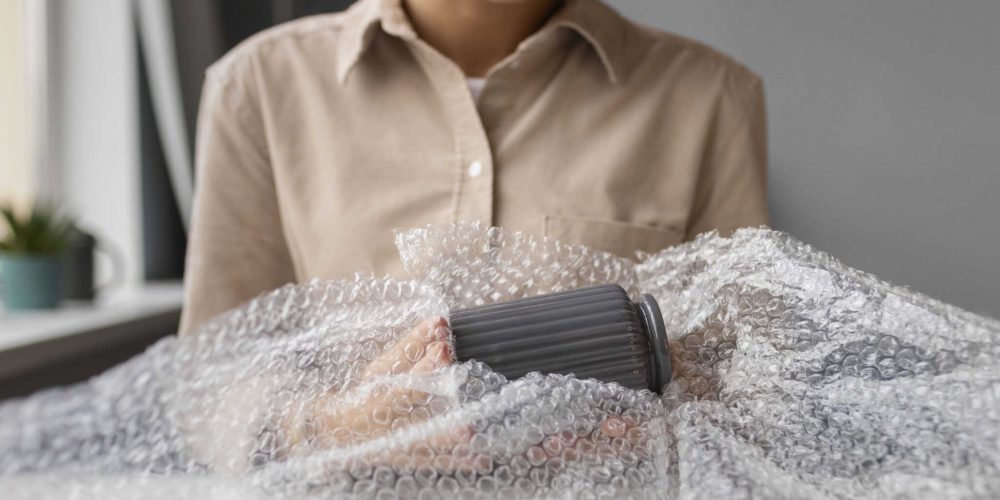
Wrap each fragile item individually with packing paper or bubble wrap. For delicate items with protruding parts, consider using additional layers of padding.
b. Cushion the Box:
To ensure your fragile items remain well-protected during the move, create a cushioning base in the box by generously layering packing peanuts or crumpled packing paper at the bottom. This additional padding will help absorb any shocks or impacts during transportation, minimizing the risk of damage to your delicate belongings.
c. Use Dividers and Layering:
For dishware and glassware, use cardboard dividers or foam sheets to create separate compartments within the box. Layer packing paper or bubble wrap between each item to prevent them from knocking against each other.
d. Fill Empty Spaces:
Fill any remaining gaps in the box with additional packing material to prevent shifting during transit. A well-packed box should not have empty spaces or excessive movement.
Label and Mark Boxes as “Fragile”
Clearly label each box containing fragile items with a “Fragile” or “Handle with Care” label. Use arrows to indicate the correct upright position of the box. This will alert movers and anyone handling the boxes to exercise caution and prioritize these items during loading, unloading, and transportation.

Pack Fragile Items in Separate Loads
Consider packing fragile items in a separate load from other household items. This allows for better organization, easier access during unpacking, and minimizes the risk of damage due to shifting and compression.
Transport Fragile Items with Care
When loading the moving truck, place fragile item boxes on top and secure them against any movement. Avoid stacking heavy items on fragile boxes and make sure they are in an upright position during transportation.
Protecting fragile items during a move requires careful planning, high-quality packing materials, and proper packing techniques. Taking the time to wrap, cushion, and organize these items ensures they reach your new home safely and intact. By following these essential tips, you can alleviate the stress of moving delicate belongings and have peace of mind throughout the moving process. Remember, investing effort in packing fragile items correctly is a small price to pay for the continued enjoyment of these cherished possessions in your new home.
If these tips for packing your fragile items seem too overwhelming, don’t hesitate to reach out to local moving pro for help.