
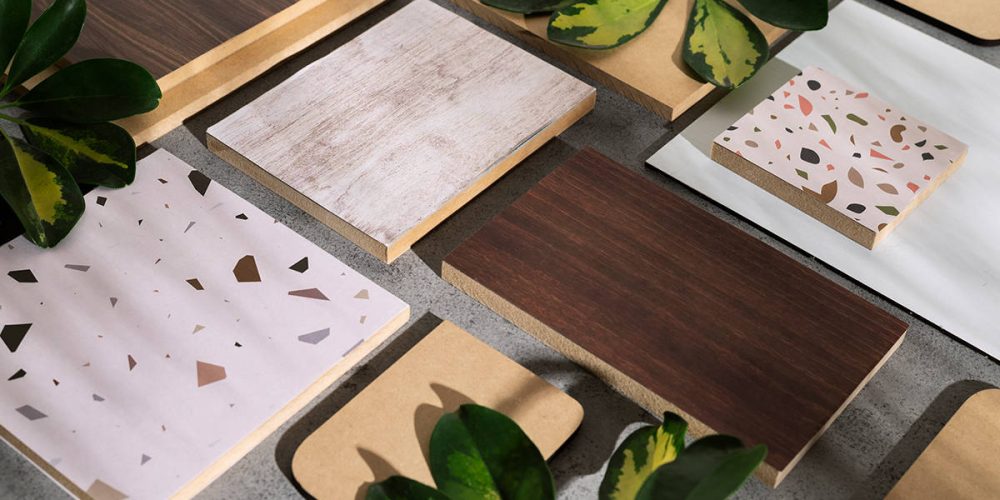
As climate change reshapes how we build our homes, eco-friendly construction materials are stepping up to meet the challenge. Let’s explore why these sustainable options have the potential to revolutionize your next project.
Understand the Benefits of Using Eco-Friendly Building Materials
Making Mother Earth Smile
You’ve probably heard, “Every little bit helps,” right? This rings especially true when talking about reducing our environmental impact. Eco-friendly home cleaning and building materials come from sustainable sources, leaving behind a much smaller carbon footprint than conventional ones. It’s like swapping out your gas-guzzling SUV for an electric car – you’re helping the environment and enjoying a smoother ride!
Boosting Energy Efficiency
Have you ever tried to keep coffee warm in a paper cup? Not exactly effective! Imagine if your house was like that paper cup, constantly losing heat during winter and soaking up too much sun in summer. Here’s where eco-friendly building materials save the day: they’re designed to be energy-efficient, so keeping your home cozy becomes more manageable and cheaper on bills – win-win!
Breathing Easier Indoors
Funny enough, indoor air quality can often be worse than what we breathe outside due to harmful chemicals released by traditional building materials over time (a process called off-gassing). But fear not! Eco-friendly alternatives help improve this situation significantly – think of them as bringing fresh air into stuffy rooms; everyone appreciates that!
The importance of eco-friendly construction will only increase as we strive towards more sustainable living practices. These green alternatives offer us more than just homes; they allow us to shape healthier futures for ourselves and our planet. So why not explore their potential in your next home project?
Learn How to Choose the Right Eco-Friendly Building Materials for Your Home
As we face the challenges of climate change, it’s evident that our building habits need a severe makeover. That’s where eco-friendly building materials step in. They’re not just ‘green’ substitutes – they’re revolutionizing how we build, offering benefits that traditional materials can’t match. Explore why these sustainable alternatives are worth considering for your next home project.
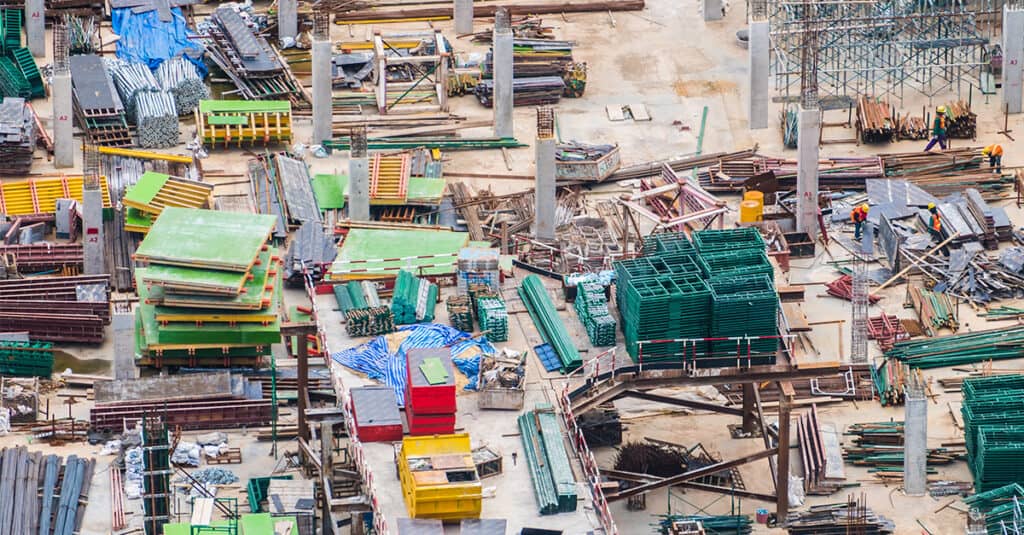
Explore Real-Life Examples of Eco-Friendly Building Materials in Action
Have you ever considered how your home could be friendlier to our planet? The materials we choose for building or renovating can make a big difference. Eco-friendly materials are not just trendy but practical solutions that help tackle environmental issues. Let’s dive into real-world examples of these materials and see how they could benefit your next project.
Bamboo: The Speedy Green Builder
Picture this – a plant that grows faster than you can finish saying “eco-friendly.” That’s bamboo! This wonder plant shoots up to three feet in 24 hours, making it one of the most renewable resources. But speed isn’t its only strength – bamboo is also tough and long-lasting, perfect for your home’s flooring, furniture, or even structural parts. It’s like the friend who always brings homemade cake to parties – everyone loves them, and they’re good for you, too!
Recycled Steel: Tough Love For Our Planet
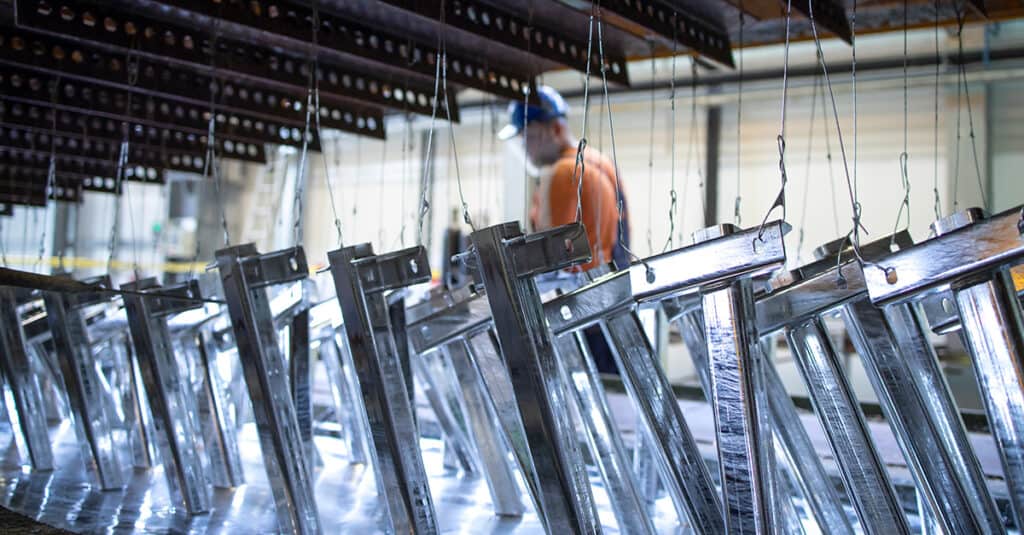
What if I told you an old car might become part of someone’s house? Recycled steel is an eco-friendly material with all the toughness of new steel but leaves a smaller carbon footprint behind. It’s like swapping out your gas-guzzler for an electric ride – all benefits without guilt trips! So, when planning your next renovation, why not give recycled steel another chance?
Cork: Not Just For Wine Lovers
You probably associate cork with wine bottles or notice boards, but it has more tricks up its sleeve! Cork comes from the bark of cork oak trees, which means no harm done while harvesting, plus continuous CO2 absorption by the tree itself! Also, cork insulates well, making great flooring lifespan or wall insulation material. Think cozy woolly jumper on chilly winter days – warm, sustainable, and fantastic!
As we aim for more sustainable living, eco-friendly building materials are stepping into the spotlight. They help us build beautiful homes while being kind to our planet. So why not give these materials a thought for your next project? Every small step counts!
Frequently Asked Questions
What are the main benefits of using eco-friendly building materials?
There are a few key benefits. First, they have a smaller carbon footprint since they are sourced sustainably. This helps reduce environmental impact. Second, they tend to be more energy-efficient, so your home will better retain heat in winter and stay cool in summer. This saves on energy bills. Finally, they improve indoor air quality by reducing off-gassing of harmful chemicals. Overall, eco-friendly materials are better for the planet and make homes healthier and more comfortable.
How much more expensive are eco-friendly building materials?
While some specific materials may cost more upfront, when you factor in the energy savings and health benefits, eco-friendly materials often pay for themselves over time. And as demand increases, prices are coming down. There are also more affordable green options available, like recycled steel. With some research, you can find sustainable materials that fit your budget.
What are some examples of eco-friendly building materials?
There are many great options out there. Bamboo is a renewable and durable choice for flooring or furniture. Recycled steel retains strength while reducing its carbon footprint. Cork is a natural insulator made from tree bark. Natural linoleum flooring is low-VOC. Sheep’s wool makes excellent insulation. There are also green options for concrete, drywall, siding, and more. Lots to choose from!
How difficult is it to build with eco-friendly materials?
The good news is that it’s relatively easy, especially as these materials become more mainstream. Some learning is involved when using new materials, but manufacturers provide installation guidelines. A local contractor experienced in sustainable building can guide you through the process smoothly. Choosing suitable materials for your climate and project goals is the most important thing.
Will eco-friendly materials stand the test of time?
Absolutely. Sustainable materials are chosen for their durability, longevity, and performance. For example, bamboo is harder than many traditional hardwoods. Recycled steel is just as strong.