
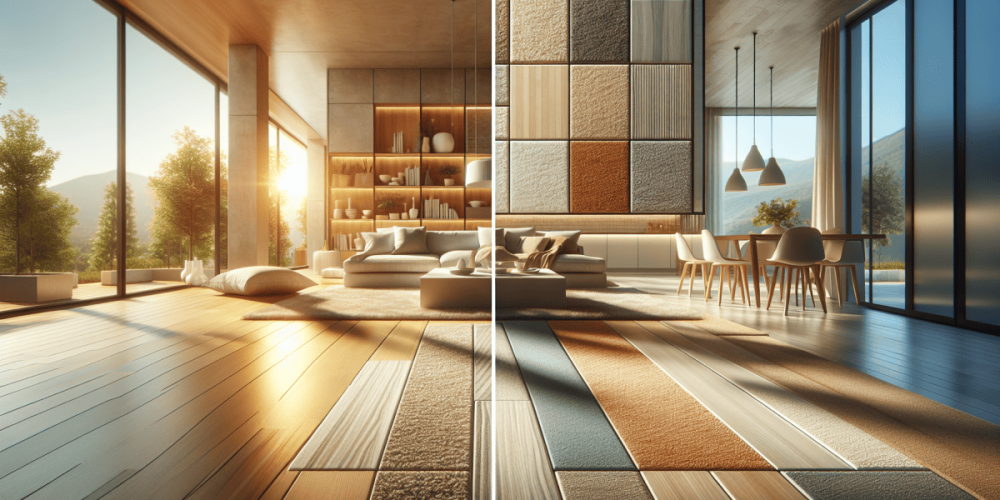
When building a new home, every decision matters, but few choices have as significant an impact on the look, feel, and functionality of your living space as flooring. The right flooring can tie a room together, enhance comfort, and even affect your home’s value. As a home builder, understanding the nuances of flooring options is crucial to creating spaces that not only look stunning but also stand the test of time. This comprehensive guide will walk you through the key considerations for choosing the perfect flooring for your new home, ensuring that your decisions align with both aesthetic preferences and practical needs.
Understanding the Importance of Flooring in Home Design
Flooring is more than just a surface to walk on; it’s a fundamental element of interior design that can make or break the overall aesthetic of a home. The right flooring choice can create a sense of continuity throughout the house, define separate living areas, and even influence the perception of space. For instance, light-colored flooring can make a room appear larger and more open, while darker tones can add warmth and coziness.
Beyond aesthetics, flooring plays a crucial role in the comfort and functionality of a home. It affects acoustics, temperature regulation, and even air quality. Hard surfaces like tile or hardwood can amplify sound, while carpets absorb noise, making them ideal for bedrooms or home offices. Some materials, like concrete or tile, can help keep a home cool in warm climates, while others, such as cork or carpet, provide insulation in colder regions.
Moreover, the choice of flooring can significantly impact a home’s resale value. High-quality, durable flooring materials are often seen as a valuable investment by potential buyers. This is why it’s essential for home builders to consider not just the immediate preferences of their clients but also the long-term value and appeal of the flooring choices they make.
Exploring Different Flooring Materials: Pros and Cons
The world of flooring materials is vast and varied, each option coming with its own set of advantages and drawbacks. Hardwood flooring, for instance, is prized for its timeless beauty and durability. It can last for generations with proper care and can be refinished multiple times. However, it’s susceptible to scratches and water damage and can be quite expensive.
Laminate flooring offers a more budget-friendly alternative that mimics the look of hardwood or stone. It’s resistant to scratches and fading but can’t be refinished and may not last as long as real wood. Vinyl flooring has come a long way in recent years, offering water-resistant and even waterproof options that are perfect for bathrooms and kitchens. It’s affordable and easy to install but may not add as much value to a home as natural materials.
Tile flooring, whether ceramic, porcelain, or natural stone, is incredibly durable and perfect for high-moisture areas. It’s easy to clean and maintain but can be cold underfoot and may require periodic regrouting. Carpet, on the other hand, offers warmth and comfort, reduces noise, and comes in endless colors and textures. However, it can be challenging to keep clean and may need to be replaced more frequently than hard surface flooring.
For those looking for eco-friendly options, materials like bamboo, cork, or reclaimed wood are gaining popularity. These sustainable choices offer unique aesthetics and environmental benefits but may come with higher price tags or specific maintenance requirements.
Evaluating Your Lifestyle Needs: How Flooring Affects Daily Living
When selecting flooring for a new home, it’s crucial to consider how the space will be used and by whom. A family with young children or pets might prioritize durability and ease of cleaning, making options like luxury vinyl plank or tile more appealing. On the other hand, a retired couple might prefer the warmth and comfort of carpet in bedrooms and living areas.
The level of foot traffic in different areas of the home should also influence flooring choices. High-traffic areas like entryways and hallways benefit from durable, easy-to-clean materials that can withstand constant use without showing wear. In contrast, bedrooms and home offices might prioritize comfort and noise reduction.
Climate and location play a role as well. Homes in humid areas might avoid solid hardwood in favor of engineered wood or moisture-resistant alternatives. Those in colder climates might opt for materials that retain heat or consider underfloor heating systems, which work well with certain types of flooring like tile or engineered wood.
It’s also important to consider any specific health concerns or accessibility needs. For individuals with allergies, hard surface flooring that doesn’t trap allergens might be preferable. In homes where mobility is a concern, smooth, even surfaces without transitions between rooms can enhance safety and accessibility.
Budgeting for Flooring: Cost Considerations and Value
When it comes to flooring, the old adage “you get what you pay for” often holds true. However, this doesn’t mean that budget-friendly options can’t be beautiful and durable. The key is to balance initial costs with long-term value and maintenance expenses.
High-end materials like hardwood or natural stone come with a hefty price tag upfront but can last for decades with proper care. They also tend to add significant value to a home. Mid-range options like high-quality laminate or luxury vinyl can offer a great balance of affordability and durability, often mimicking the look of more expensive materials convincingly.
It’s important to factor in not just the cost of the materials but also installation expenses. Some flooring types, like carpet or laminate, are relatively easy to install and can be DIY-friendly, potentially saving on labor costs. Others, like tile or hardwood, often require professional installation, which adds to the overall expense.
Maintenance costs should also be considered in the long-term budget. Some materials may be cheaper upfront but require more frequent cleaning, refinishing, or replacement. For example, while carpet might be less expensive initially, it may need to be replaced more often than a durable hardwood floor that can be refinished multiple times.
When budgeting, it’s wise to allocate more funds to high-traffic areas where durability is crucial. In less frequently used spaces, you might opt for less expensive alternatives without significantly impacting the overall quality of the home.
Sustainability and Flooring: Making Eco-Friendly Choices
As environmental consciousness grows, many homeowners and builders are prioritizing sustainable flooring options. Eco-friendly flooring not only reduces environmental impact but can also contribute to healthier indoor air quality and may even be required for certain green building certifications.
Bamboo flooring has gained popularity as a sustainable alternative to hardwood. It grows quickly, making it a rapidly renewable resource. However, it’s important to ensure that the bamboo is sourced from responsibly managed forests and that the manufacturing process doesn’t involve harmful chemicals.
Cork is another eco-friendly option that’s gaining traction. It’s harvested from the bark of cork oak trees without harming the tree itself, making it a truly renewable resource. Cork flooring is also naturally antimicrobial and provides excellent insulation.
For those who love the look of hardwood, reclaimed wood flooring offers a sustainable option with unique character. This involves repurposing wood from old buildings, reducing the demand for new timber and keeping usable materials out of landfills.
Even traditional materials can be sourced more sustainably. Look for hardwoods certified by the Forest Stewardship Council (FSC) or tiles made from recycled materials. Many manufacturers are also focusing on reducing the environmental impact of their production processes and offering products with low VOC emissions.
When considering sustainability, it’s also worth looking at the entire lifecycle of the flooring. How long will it last? Can it be recycled or biodegraded at the end of its life? These factors contribute to the overall environmental impact of your flooring choice.
Remember, sustainable doesn’t always mean more expensive. While some eco-friendly options may have higher upfront costs, they often prove more cost-effective in the long run due to their durability and potential energy-saving properties.